






Articles
- BLOG / Articles / View
- Articles
Market Sentiment Tracker: Are Consumers Strong Enough to Offset Weak Jobs?
By Osama on August 26, 2025 in Market Sentiment
The August employment report, due September 5, is going to be a very important one as it will either confirm the recent slowdown in job markets or prove it only to be a blip. July’s nonfarm payroll gain of just 73,000, coupled with downward revisions of 258,000 to May and June, marked one of the weakest stretches of hiring since the pandemic recovery began. The unemployment rate rose to 4.2% and long-term unemployment increased to 1.8 million, while the labor force participation rate slipped to 62.2%, down half a percentage point over the past year. In this week's Market Sentiment Tracker, I try to evaluate the upcoming job report and what should we expect from it.
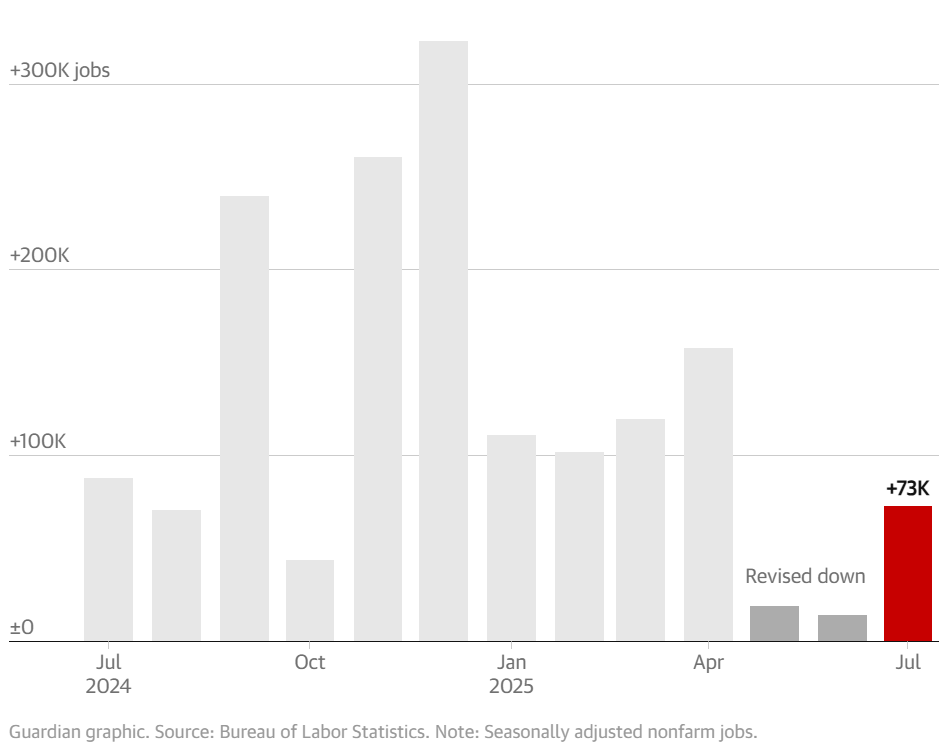
Here is where matters stand at the moment. Weekly jobless claims fell to 224,000 in early August, a historically low level that signals layoffs remain limited, but continuing claims hover near 1.95 million, implying slower re-employment. The Conference Board’s Leading Economic Index dropped another 0.3% in June, continuing a downward trend that has often preceded weaker payroll growth. NFIB small-business data provide a mixed picture: in July, 33% of owners reported unfilled job openings, the lowest share since December 2020 but still well above the long-run average of 25%. Labor quality was cited as the top problem by 21% of firms, up five points in the month, while 14% plan to create new jobs in the next three months, above the historical average of 11% but not enough to drive a hiring surge. The NFIB Optimism Index climbed 1.7 points to 100.3, just over its long-term mean, yet the Uncertainty Index jumped eight points to 97, reflecting tariff concerns, sticky services inflation, and geopolitical risks.
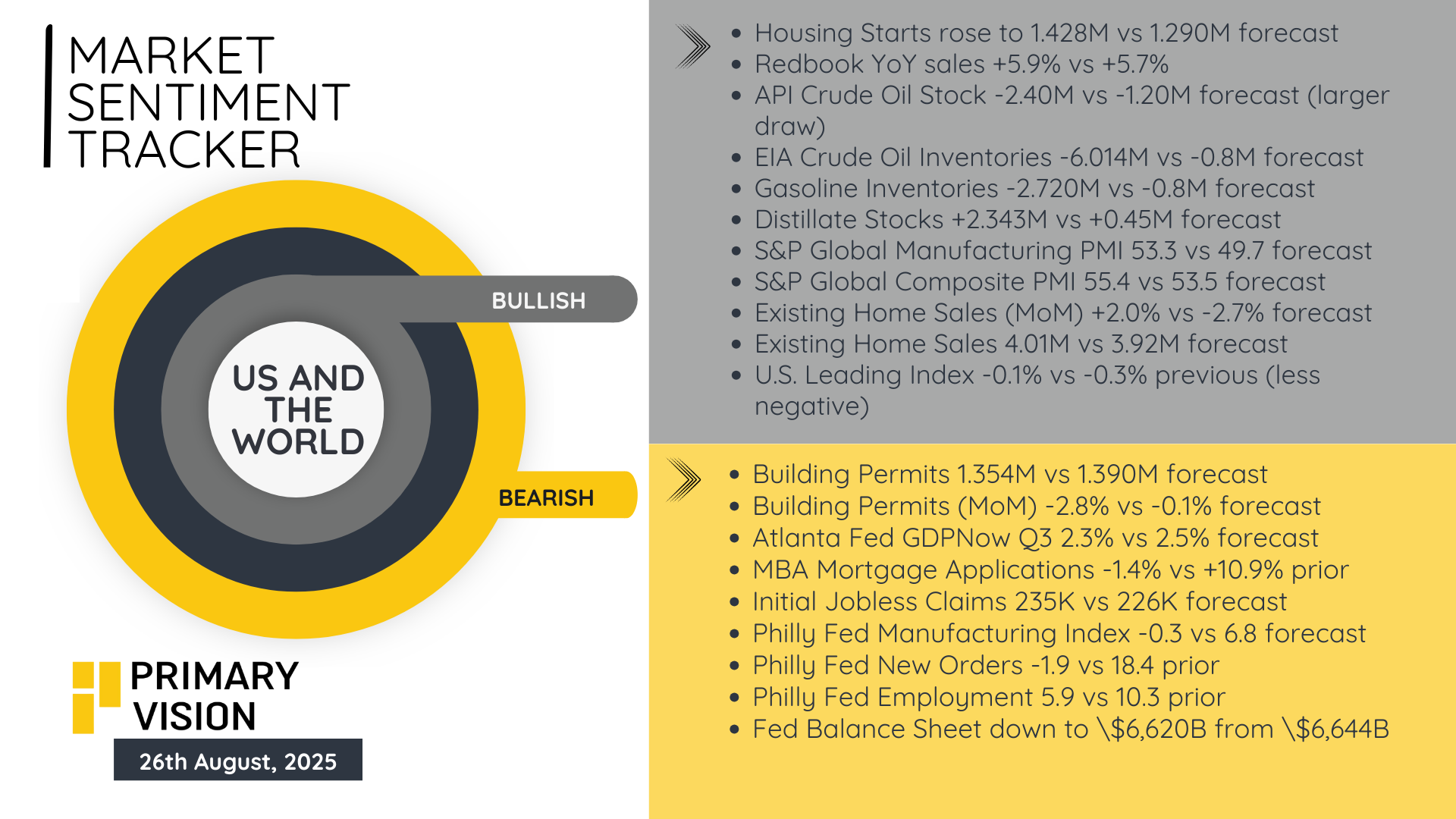
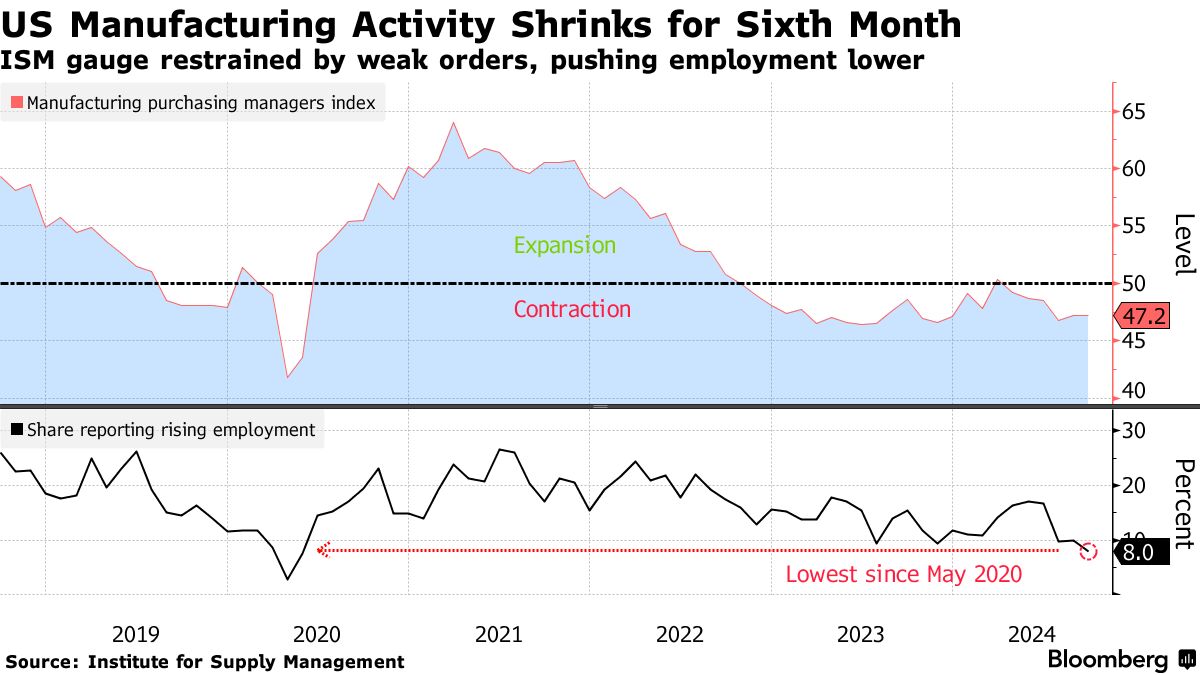
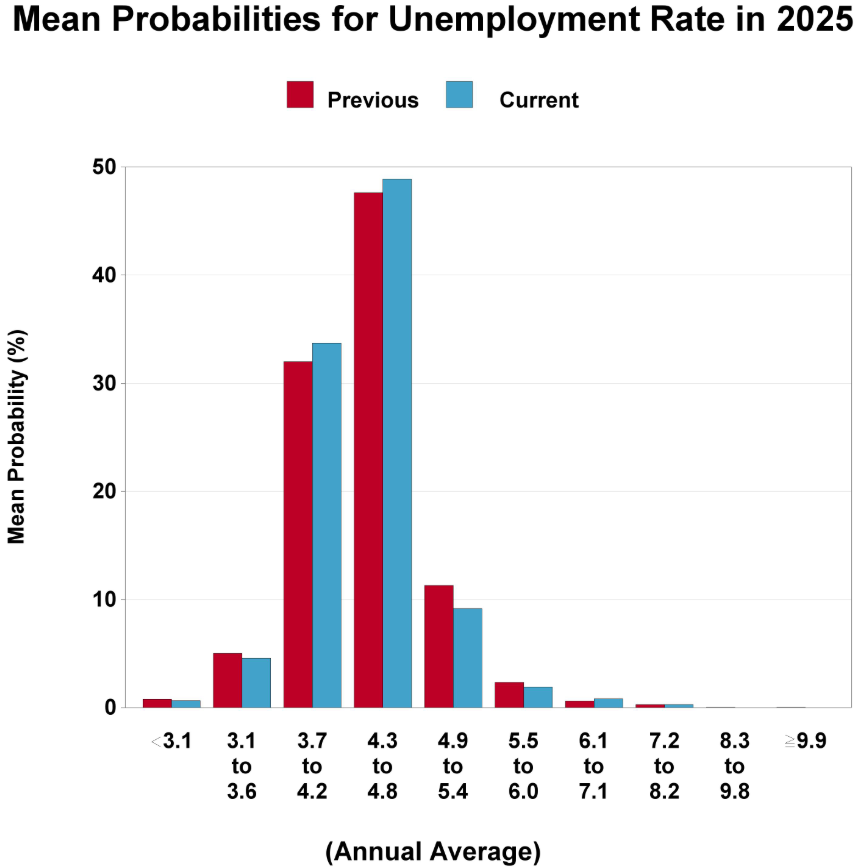
Taken together, these inputs point to August payroll growth of roughly 60,000 to 90,000, consistent with the Philadelphia Fed Survey of Professional Forecasters’ expectation of a 73,000 monthly average in Q3 and an unemployment rate near 4.3%. Sectoral signals support this restrained outlook: the ISM manufacturing employment index sits in contraction at 44.4, the ISM services employment index is at 46.4, and industrial production declined 0.1% in July with capacity utilization slipping to 77.5%.
Meanwhile, retail sales in July rose 0.5% to $726.3 billion, with e-commerce up 0.8% and autos rebounding, suggesting consumer spending remains resilient even as employers turn cautious.
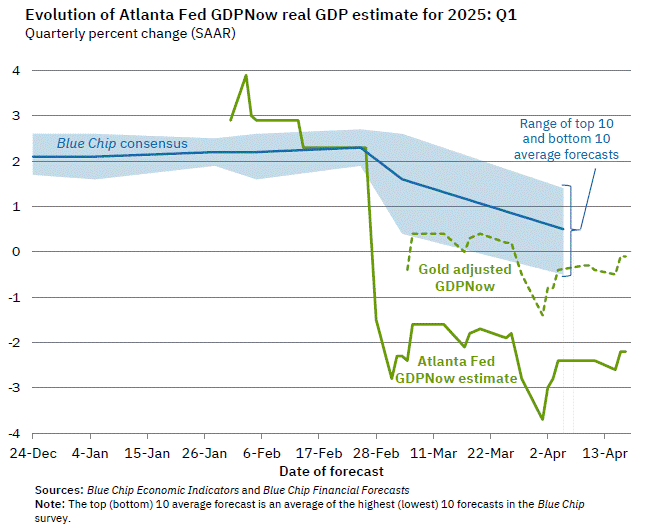
At the macro level, forecasters anticipate a downshift in Q3 GDP growth after a 3.0% advance in Q2. The Atlanta Fed’s GDPNow model pegs Q3 real GDP at 2.3% annualized, while the Philadelphia Fed SPF median sits at 1.3%; my baseline is 1.7%, with real PCE up about 2.0%. Within the GDPNow detail, consumer spending is estimated at 2.2%, equipment investment at 3.7%, intellectual property products at 5.0%, nonresidential structures at –3.5%, residential investment at –5.9%, government spending at 1.4%, net exports subtracting 0.36 percentage points, and inventories adding 0.74 percentage points.
Inflation dynamics remain uncomfortably warm: core PCE is projected at a 3.0% quarterly annualized pace, headline PCE at 2.9%, while producer prices jumped 0.9% month over month and 3.3% year over year in July, and import prices rose 0.4% with non-fuel imports up 0.3% and fuel up 2.7%.

These financial pressures, alongside slower hiring, explain why consumer confidence has improved more on expectations than on current conditions. The Conference Board index rose to 97.2 in July, with the Expectations Index jumping 4.5 points to 74.4, while the Present Situation gauge edged lower. Retail energy prices fell 1.1% in July and gasoline dropped 2.2%, giving households a visible win that may be bolstering sentiment.
The simplest projection, therefore, is that August jobs growth will remain muted, unemployment will edge up to around 4.3%, and wage and hour data will show stability rather than renewed strength. That would fit with a Q3 macro picture of 1.5–1.9% GDP growth, 2.0% PCE, and 3.0% core PCE inflation. The risks skew toward softer labor and sticky inflation, with producer and import cost pressures threatening pass-through. If those risks materialize, the “good vibes” seen in consumer surveys could quickly fade; if not, a slow but orderly glide toward sub-2% growth with selective consumer resilience remains the central scenario.
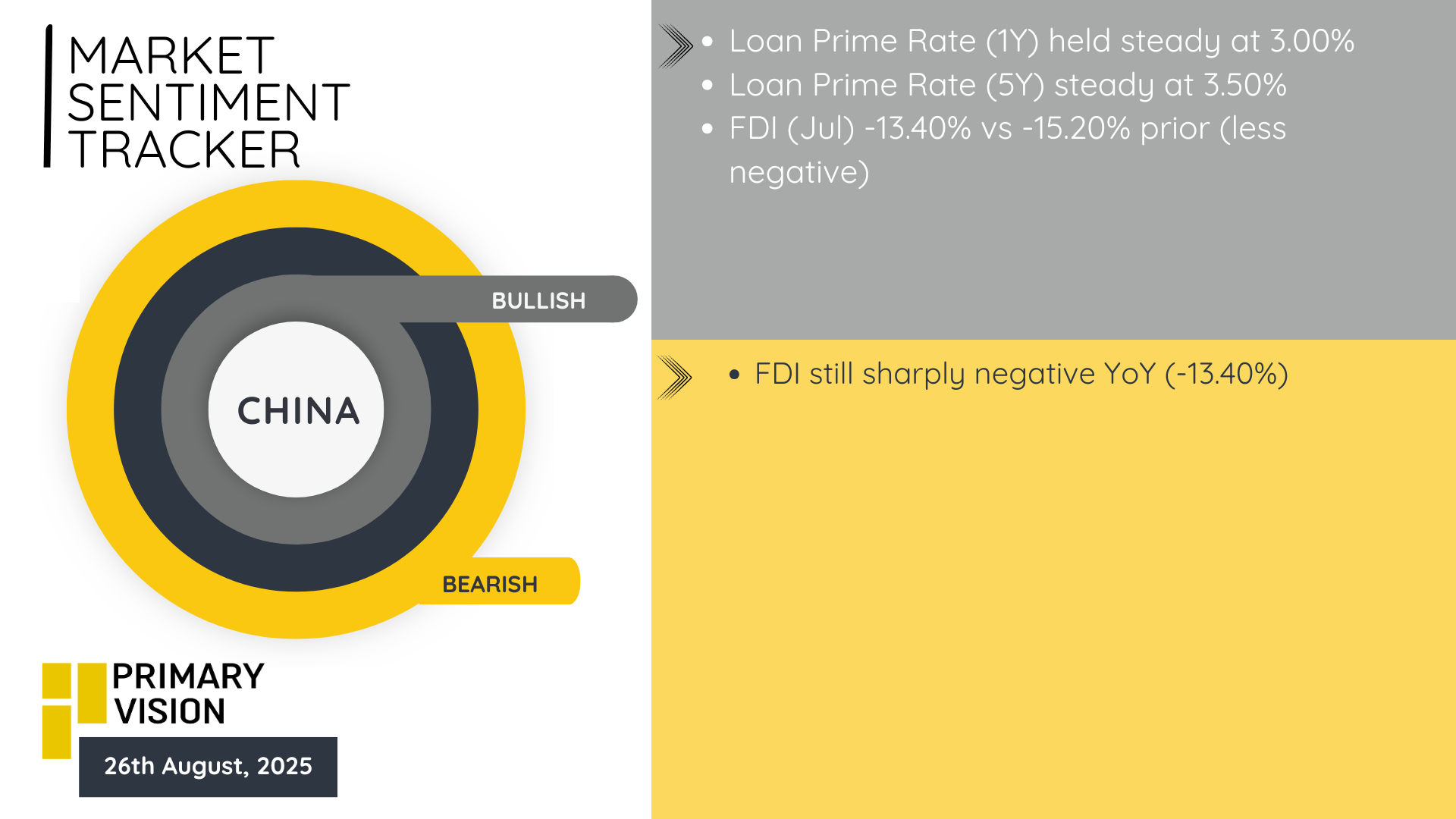
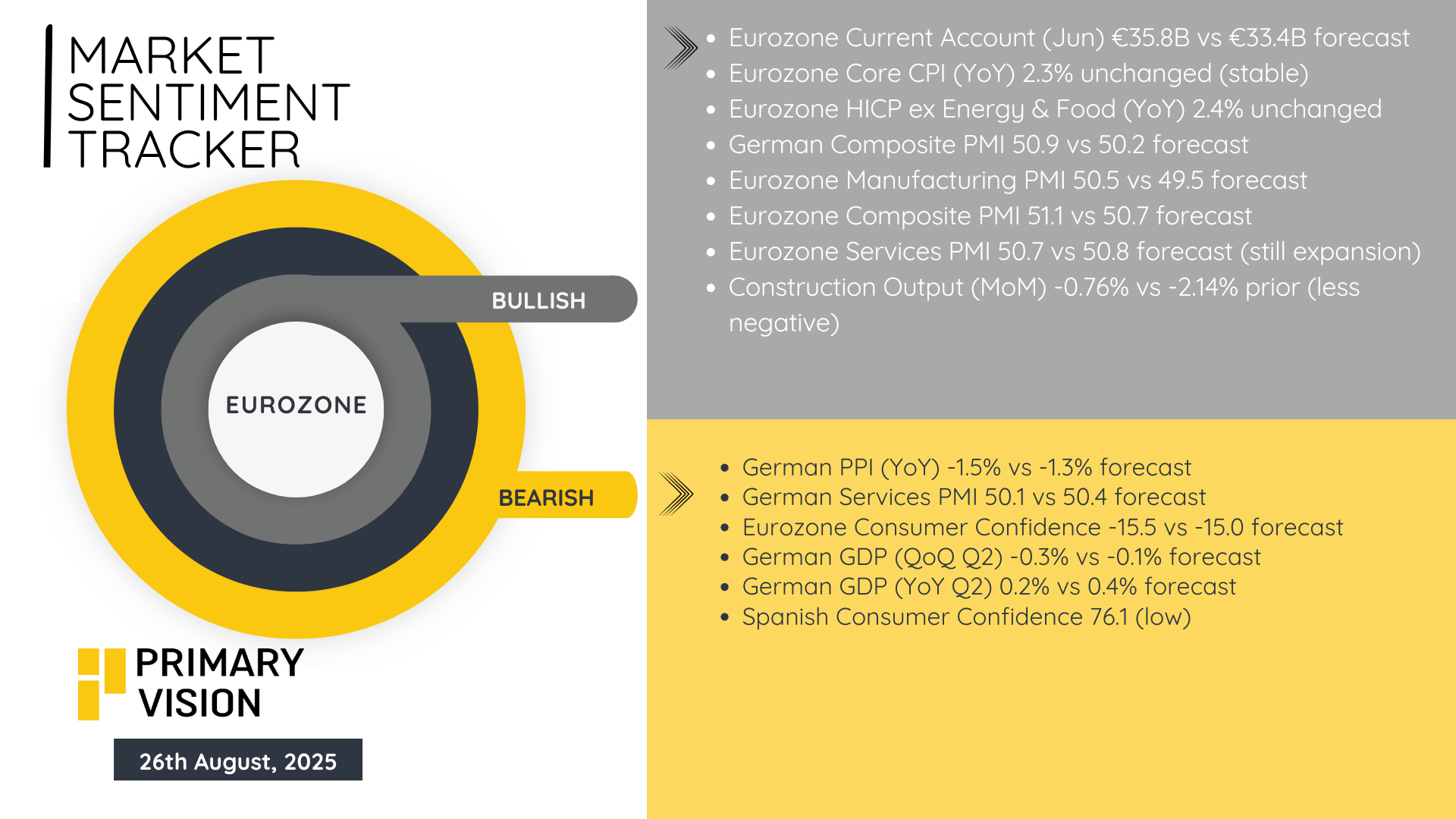
Here is a screenshot of what's happening in Eurozone and China. In our next week's MST, we will discuss the macroeconomic situation of China in detail.
Tags:
Permission denied
Upgrade to Pro Today and get…
• This article — plus dozens more each month, all within our full Research Module
• Frac Hits — our National-Level Frac Spread Count and Frac Job Count, updated weekly
• Frac Operator Monitor — detailed FSC & FJC by operator
• And so much more, designed to help you track, forecast, and outperform