Market Sentiment Tracker: Is Optionality the New Currency of the Global Economy?
By
Osama
on October 1, 2025
in
Market Sentiment
What the September data really reveals is not just that monetary policy has weakened — but why it has weakened: because the true “currency” driving economic decisions is no longer money, it’s optionality. Across the U.S., Europe, and China, the actors that matter most — households, firms, policymakers — are behaving as if the priority is not maximising growth, but maximising degrees of freedom in an uncertain world.
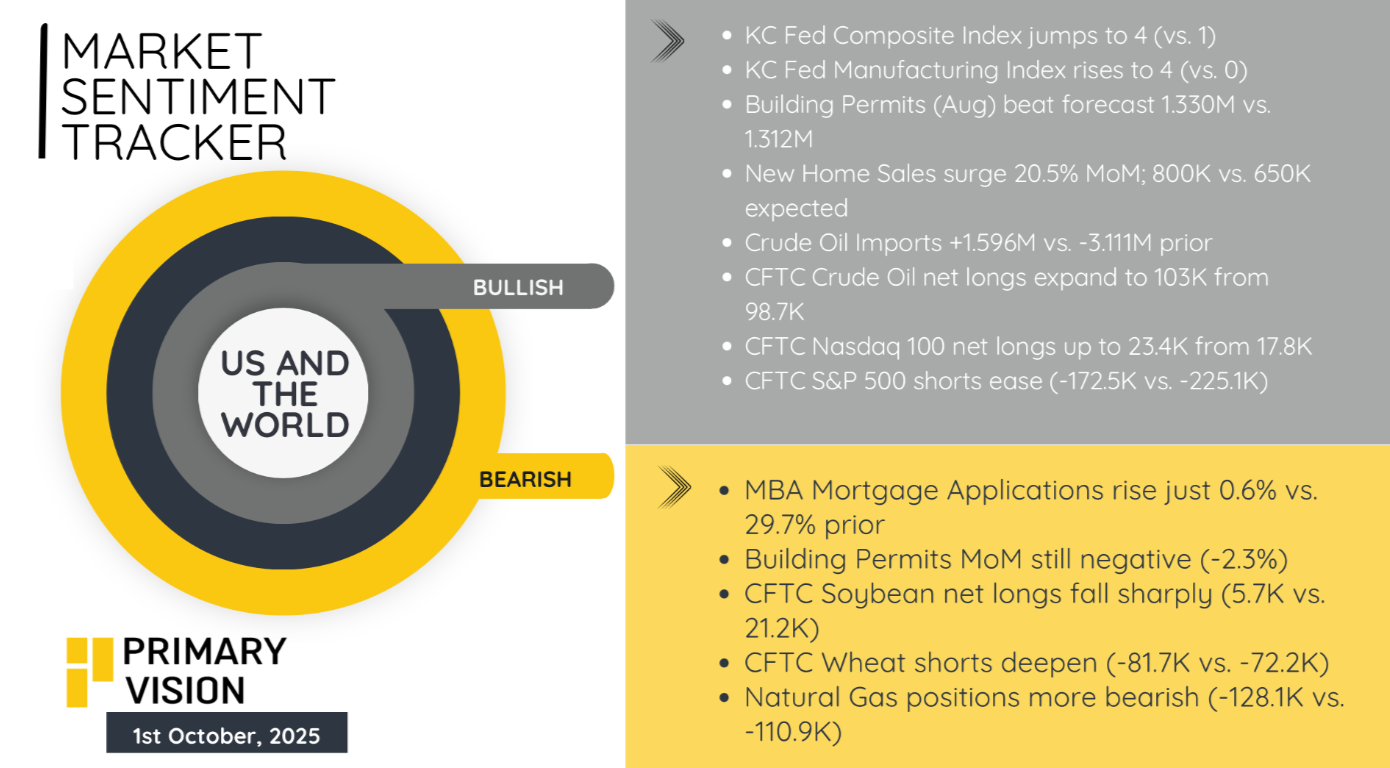
In the U.S., companies are ploughing money into capex despite higher borrowing costs, not because the projects suddenly yield higher returns, but because not investing now leaves them trapped in fragile supply chains or locked out of AI ecosystems. The cost of debt is irrelevant compared to the cost of lost positioning. Households, by contrast, are hoarding savings and avoiding long-duration commitments like mortgages — not because rates are high per se, but because committing today means surrendering flexibility in an environment where job security, politics, and inflation feel unpredictable. Corporates are buying optionality through investment; households are buying optionality through liquidity. That’s why the economy looks two-speed.
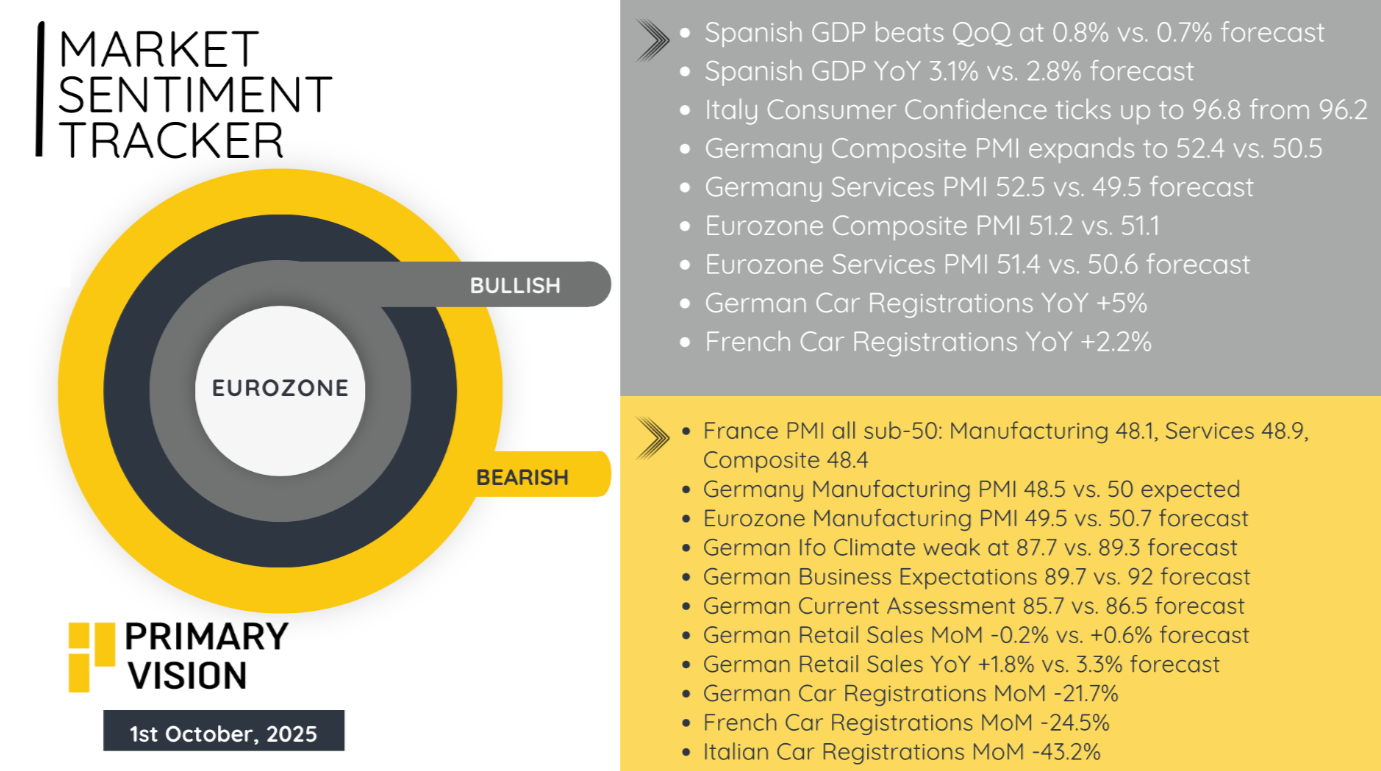
Europe is even more explicit. Business leaders see that the old export-and-cheap-energy model is dead, but they don’t yet know what replaces it. So they are postponing decisions. PMI weakness and car registration collapses aren’t just about weak demand — they are about companies choosing not to commit until the strategic landscape is clearer. Here, too, the value of optionality outweighs the value of money. Lower rates won’t coax them into investing if it means locking into a model they suspect is obsolete. They’d rather preserve cash and wait.
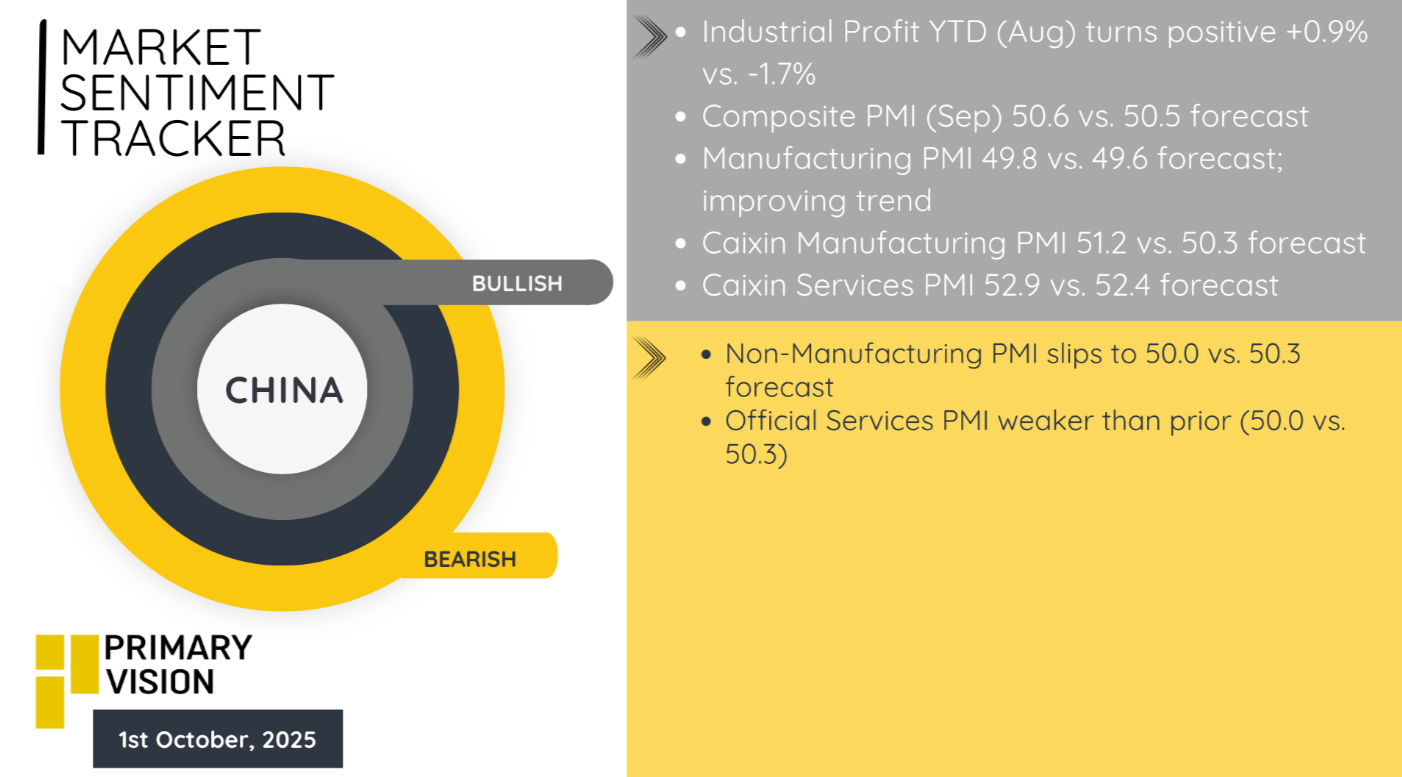
China is the mirror image. The government is flooding the system with liquidity, but households and private firms are treating that liquidity as something to park, not something to deploy. Why? Because in a system where regulatory direction shifts quickly and demographics are darkening, the most rational strategy is to keep your powder dry. Households are holding savings as a hedge against uncertainty; firms are keeping capital on the sidelines until they can see where the rules of the game settle. Again, the signal is not about money but about optionality.
This is why the old cycle logic feels broken: central banks can change the price of money, but they cannot restore confidence in the future. And when confidence is weak, actors assign more value to keeping choices open than to chasing incremental returns.
That’s the hidden thread in this week’s data: we are in the first global “optionality economy.” Growth is no longer being maximised in the present; it is being deferred into the future until clarity improves. The consequence is that recoveries will feel sluggish and uneven, not because capital is scarce, but because commitment is. And the winners in this environment will be those who understand that the scarce resource is not money — it is conviction and sentiment.
Upgrade to Pro Today and get…
• This article — plus dozens more each month, all within our full Research Module
• Frac Hits — our National-Level Frac Spread Count and Frac Job Count, updated weekly
• Frac Operator Monitor — detailed FSC & FJC by operator
• And so much more, designed to help you track, forecast, and outperform